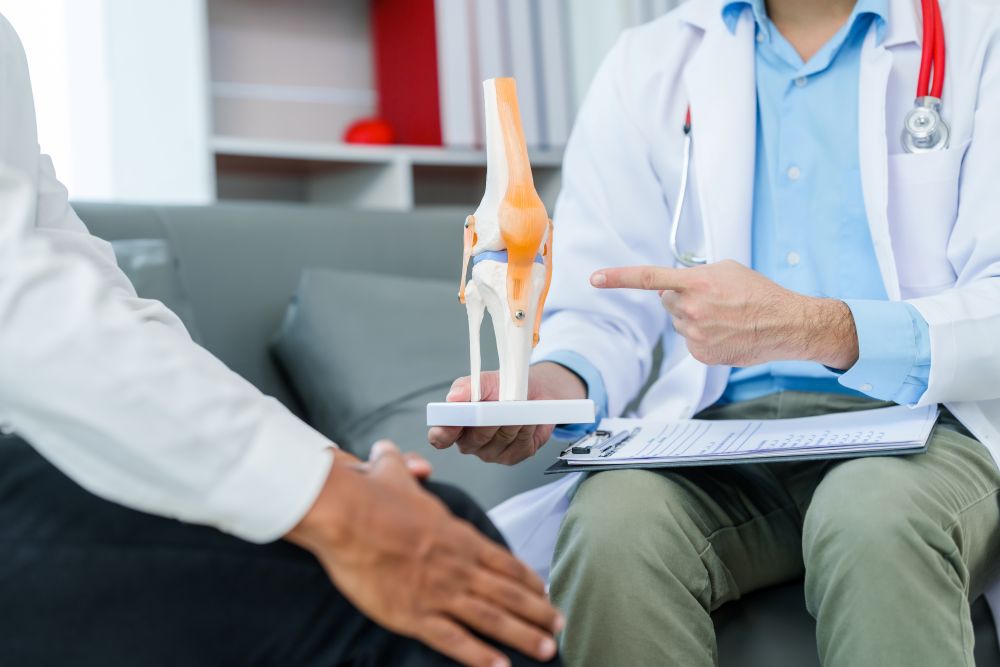
Joint pain can affect people of all ages, often limiting mobility and lowering quality of life. Whether it’s caused by aging, injury, arthritis, or other underlying conditions, managing the discomfort starts with understanding the range of treatment options available.
Fortunately, several solutions exist—from non-invasive therapies to more advanced medical procedures—that can ease symptoms and help people regain their daily rhythm. Exploring these treatments can make it easier to choose a path that aligns with your lifestyle, health goals, and pain level.
In this blog, we’ll break down some of the best treatment options for joint pain relief. If you’re unsure where to begin, it helps to consult with a medical professional who can guide you based on your specific needs. Here are some approaches commonly used today.
Physical Therapy: Movement with Purpose
Physical therapy is often one of the first steps taken when managing chronic or injury-related joint pain. A licensed physical therapist will develop a personalized plan focused on improving strength, flexibility, and joint mobility. These sessions may include targeted exercises, stretching, balance training, and manual therapy. The goal is not just to reduce pain but also to help prevent further injury or deterioration.
This treatment is especially helpful for individuals recovering from surgery or those dealing with arthritis-related discomfort. Sessions are typically progressive, starting gently and increasing intensity based on your progress. When done consistently, physical therapy can significantly improve joint function and reduce long-term pain.
Chiropractic Care: Aligning for Relief
Chiropractic treatment focuses on spinal alignment and joint mobility, and it’s commonly used by individuals seeking drug-free pain relief. A chiropractor uses hands-on adjustments to manipulate joints and relieve pressure that may be contributing to inflammation or pain. This method is especially effective for back, neck, and certain extremity joint pains. Some patients find that regular chiropractic visits lead to better range of motion and less stiffness.
However, it’s essential to make sure your condition is appropriate for this type of care; for instance, inflammatory joint diseases may require different treatment. Many people use chiropractic therapy in combination with other treatments like physical therapy or massage. It’s always wise to consult your healthcare provider before beginning chiropractic sessions to ensure it’s a good fit for your condition.
Medications: Targeting Inflammation and Pain
Medications are a widely used and accessible way to manage joint pain, especially during flare-ups or following injury. Soreness and swelling can be lessened using over-the-counter nonsteroidal anti-inflammatory medicines (NSAIDs), like naproxen and ibuprofen. For more severe pain, prescribed medications may be recommended, including corticosteroids or stronger analgesics. It’s important to follow dosing instructions and avoid long-term use unless advised by a doctor, as side effects can occur.
In some cases, doctors may suggest topical creams or gels that provide localized pain relief. These medications are often used in conjunction with physical therapy or other interventions. For those experiencing joint pain due to autoimmune conditions, disease-modifying antirheumatic drugs (DMARDs) might also be prescribed under medical supervision.
Joint Replacement Surgery: A Long-Term Solution
When conservative treatments no longer provide relief, joint replacement surgery may become a viable option. This treatment entails removing damaged joint components and replacing them with artificial elements intended to restore function and alleviate pain. It’s commonly performed on hips and knees but can also apply to shoulders, elbows, and other joints.
Many healthcare organizations like South Shore Health provide these services through a comprehensive surgical and rehabilitation approach. Recovery involves physical therapy and a commitment to post-operative care, but many patients experience dramatic improvement in mobility and comfort. It’s typically recommended for those whose pain interferes with daily life and hasn’t responded to other treatments. While the decision to undergo surgery is significant, it can offer a new lease on life for those living with chronic joint conditions.
Alternative Therapies: Exploring Natural Relief
For those seeking a more holistic approach to joint pain, alternative therapies can offer added support. Acupuncture, for instance, involves the insertion of fine needles into specific points on the body to stimulate healing and relieve pain.
Some individuals also turn to massage therapy, which helps improve circulation and reduce muscle tension around painful joints. Herbal supplements like turmeric or glucosamine are popular as well, though it’s important to consult a healthcare provider before starting any new supplement. Mind-body practices such as yoga and tai chi promote flexibility, reduce stiffness, and encourage mindfulness—all beneficial for managing chronic discomfort. Heat and cold therapy are simple but effective tools you can use at home to ease flare-ups.
While alternative therapies may not work for everyone, they’re often used alongside conventional treatments to create a more balanced pain management plan. Exploring these options gives individuals greater control and more choices in their journey toward joint pain relief.
Lifestyle Modifications: Small Changes, Big Impact
Sometimes, managing joint pain starts with everyday habits. Weight management is a key factor, as excess body weight puts additional stress on weight-bearing joints such as the knees and hips. Low-impact activities like swimming, walking, or biking can help maintain joint function without causing further damage.
Nutrition also plays a role; foods rich in omega-3 fatty acids, antioxidants, and calcium may support joint health. Incorporating rest into your routine, while avoiding prolonged inactivity, can also balance strain and recovery. Simple adjustments like using ergonomic furniture or wearing supportive footwear can make noticeable differences. These changes may not replace medical treatment but often serve as valuable complements to it. Taking proactive steps in your daily life can support long-term joint comfort and mobility.
Final Thoughts
Joint pain doesn’t have to limit what you can do each day. By exploring different treatment options—from working with a chiropractor to considering advanced procedures you can find a plan that fits your needs and improves your quality of life. Whether you’re just starting to notice discomfort or have been dealing with chronic issues for years, there’s a path toward relief.
 WellnessVerse