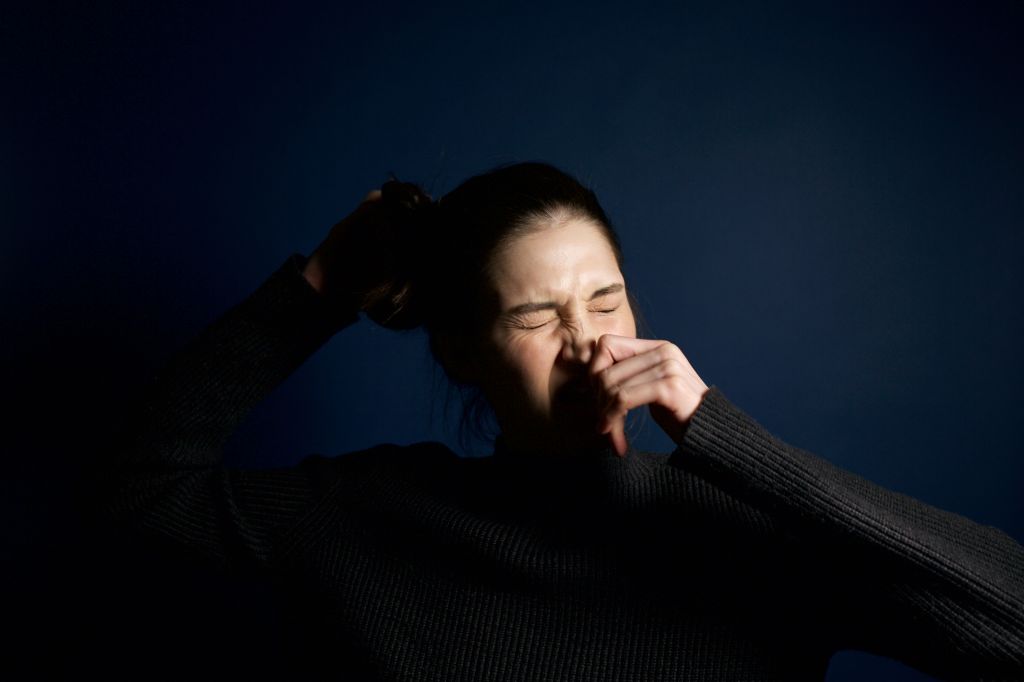
Millions of Americans face an ongoing battle against indoor allergies every single year. From unexpected sneezing fits to itchy eyes, the indoor environment often feels like a minefield of microscopic triggers. This invisible struggle frequently forces families to spend thousands of dollars on specialized filters and over-the-counter medications that only provide temporary relief.
Traditional cleaning routines frequently fail to solve this problem because they merely move dust around or rely on heavy masking fragrances. These superficial methods ultimately leave the underlying biological particles completely intact and free to recirculate throughout the living space. A quiet revolution in environmental science is changing the landscape by focusing on how advanced, stabilized compounds can deactivate allergens at their source.
Identifying the Hidden Triggers in Indoor Environments
While most people blame dust for their household allergies, the real culprits are the invisible organic proteins found within dust mite debris, mold spores, and pet dander. These stubborn biological materials settle deeply into carpets and upholstered furniture where standard vacuuming cannot easily reach them. Simple everyday actions like walking across a room or turning on a heating vent launch these embedded particles back into the air, continuously restarting the cycle of physical irritation.
Recognizing the Limits of Traditional Surface Rinses
When homeowners try to tackle these persistent allergens, they usually reach for standard grocery store sprays or aggressive household bleaches. While these traditional formulas might make a countertop look spotless, they rarely break down the structural proteins that trigger allergic reactions. This means that even after a thorough wiping, the invisible molecular shapes remain fully capable of causing an immediate immune response.
Furthermore, many common cleaning products leave behind sticky chemical residues that can actually attract more dust and dander over time. This limitation has forced researchers to look for smarter alternatives that can thoroughly neutralize organic matter without creating a harsh environment indoors.
Discovering the Power of Stabilized Oxidizing Chemistry
The latest breakthrough in environmental wellness centers around advanced molecules that destroy allergens through a process called selective oxidation. Unlike older chemicals that simply coat a surface, these modern compounds physically break apart the chemical bonds of foreign proteins.
By altering the molecular shape of a pet dander or mold particle, the substance becomes completely unrecognizable to the human immune system. This direct structural destruction ensures that the targeted irritants lose their ability to trigger inflammatory responses entirely.
Consumers frequently look at specialized biochemical directories and environmental health resources to find more info on how scientists stabilize complex active ingredients like chlorine dioxide for daily, practical management of organic irritants. This type of research helps homeowners choose specialized solutions that work on a molecular level rather than just a superficial one.
Streamlining the Maintenance of Household Air Quality
Managing air hygiene used to require an exhausting combination of expensive electronic filtration systems and constant manual scrubbing. Modern stabilization chemistry simplifies this protocol by allowing active compounds to safely eliminate airborne threats before they can settle down.
When applied correctly, these smart formulas do not require hours of heavy scrubbing or repetitive rinsing to achieve optimal results. Instead, the active components do the heavy lifting on their own by continuously neutralizing particles on contact. Homeowners can establish a highly predictable and manageable cleaning schedule that keeps indoor air crisp, clear, and perfectly comfortable around the clock.
Creating a Healthier Foundation for Modern Households
The long-term benefits of adopting stabilized formulations extend far beyond simply stopping a temporary sneezing fit. Eliminating the microscopic root causes of environmental stress allows the body to spend less energy reacting to the immediate surroundings. This reduction in continuous immune system activation can lead to significantly better sleep quality and higher daily energy levels for the entire household.
This modern approach to home maintenance ensures that families can enjoy their living spaces without relying on constant streams of artificial air fresheners. As the science of household hygiene continues to advance, creating a truly pristine and breathing-friendly home is becoming easier than ever before.
Conclusion
Conquering chronic indoor allergies requires moving away from superficial cleaning habits and embracing the science of molecular stabilization. By utilizing advanced formulas that actively neutralize organic proteins, anyone can transform their home into a genuine sanctuary from environmental irritants. This innovative approach offers a reliable, low-effort path toward lasting respiratory comfort and superior indoor air quality. Ultimately, a smarter understanding of chemistry allows families to breathe easier and live more comfortably every single day.


 WellnessVerse